
Nutrien Ag Solutions
Agronomic AI Assistant
PROJECT OVERVIEW
Cultivating Compliance
Designing an AI Assistant for Agricultural Product Guidance

BACKGROUND
The Problem
Farmers and Crop Consultants (Ag professionals) struggle to keep up with constantly changing chemical labels, regulations, and application rate compliance, leading to potential fines, crop damage, and environmental risk.
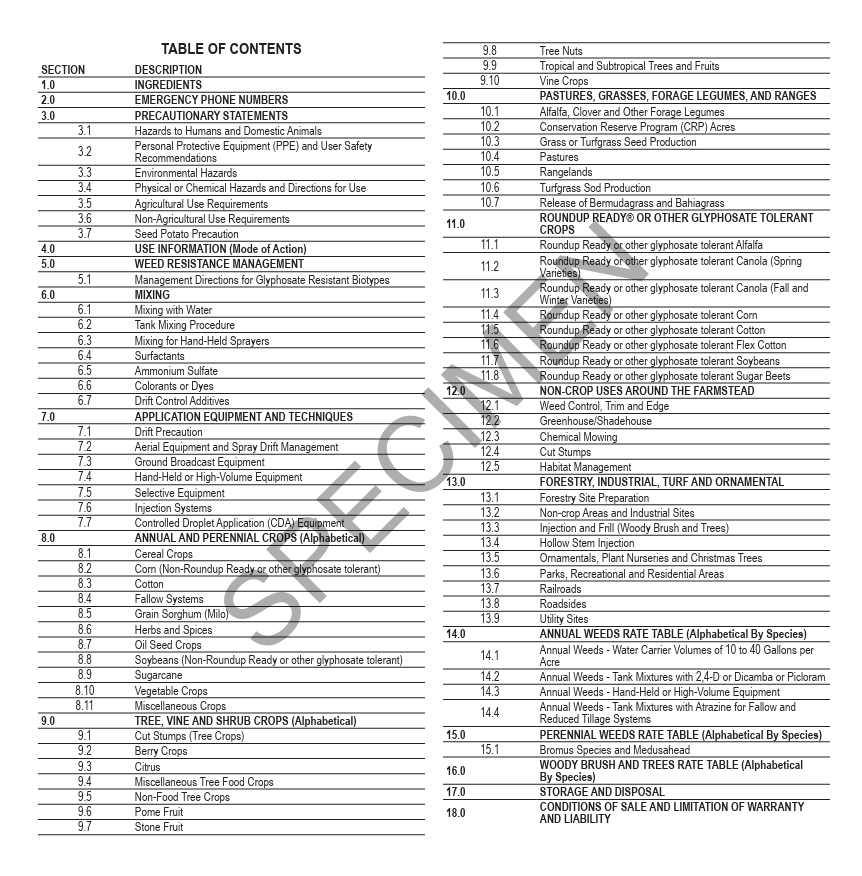
Current methods are slow (manual) and disconnected from planning application tools (digital). A single chemical’s label can contain upwards of 65 pages of regulations and recommendations.
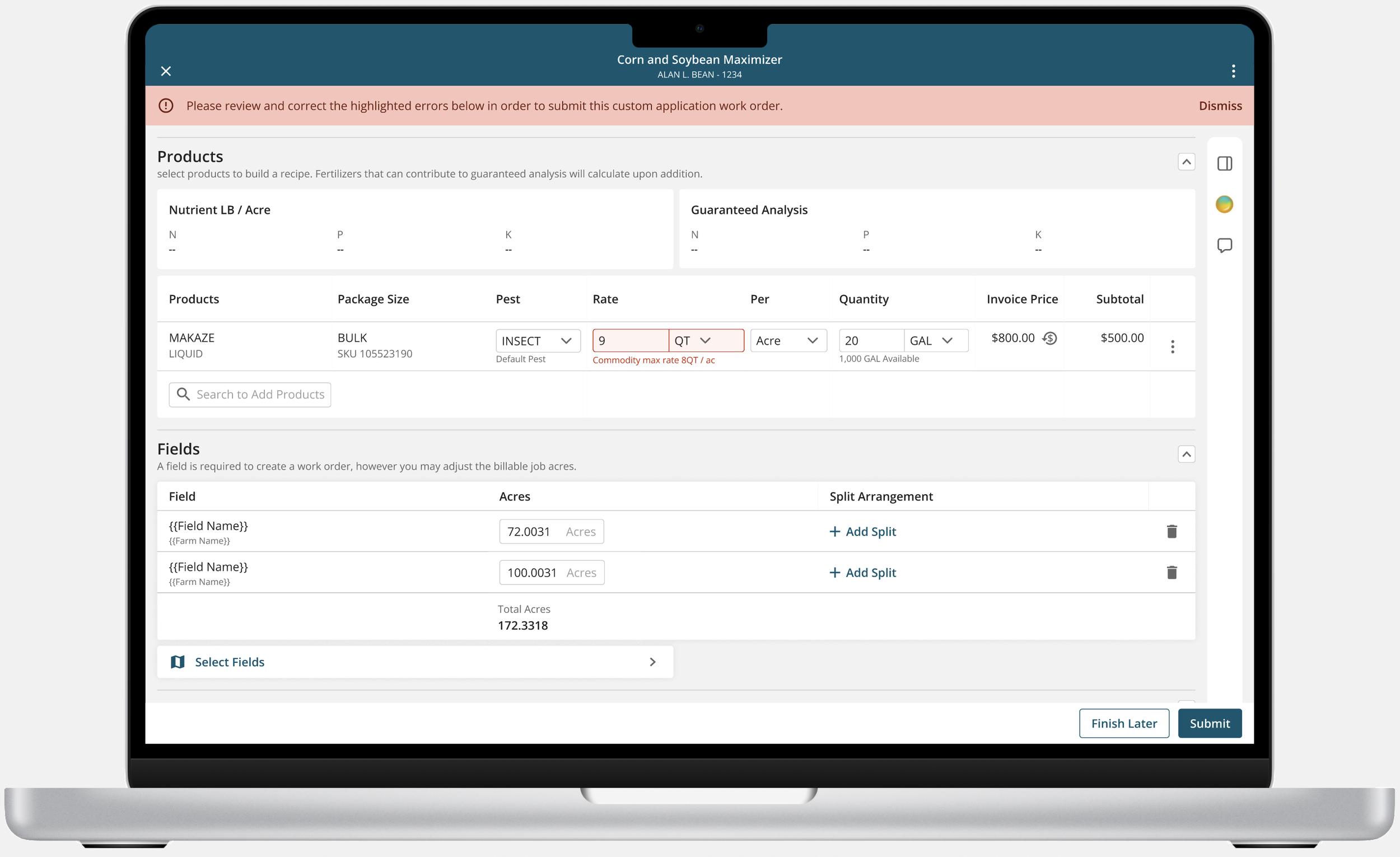
Additionally, if a user accidentally enters the wrong rate, example 3.2 Gallons instead of 3.2 Ounces, the system for entering orders does not catch, correct or alert them to the issue. Manual checking of orders before mixing product still has to occur, and there is human error involved that can lead to products wasted or potential environmental and crop impact.
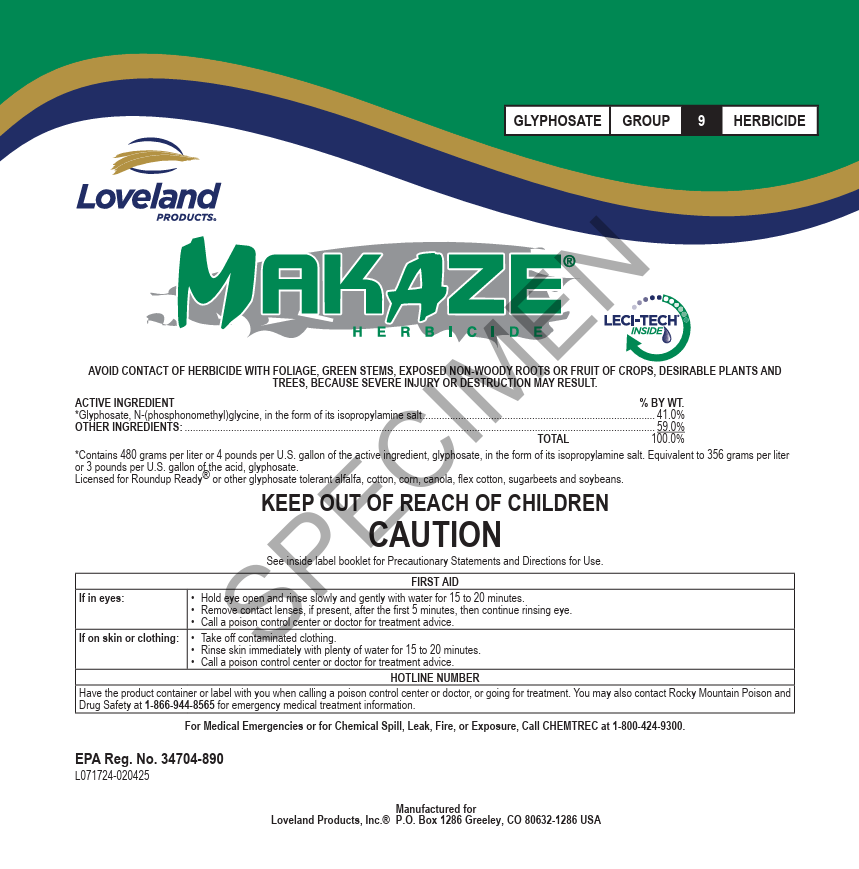
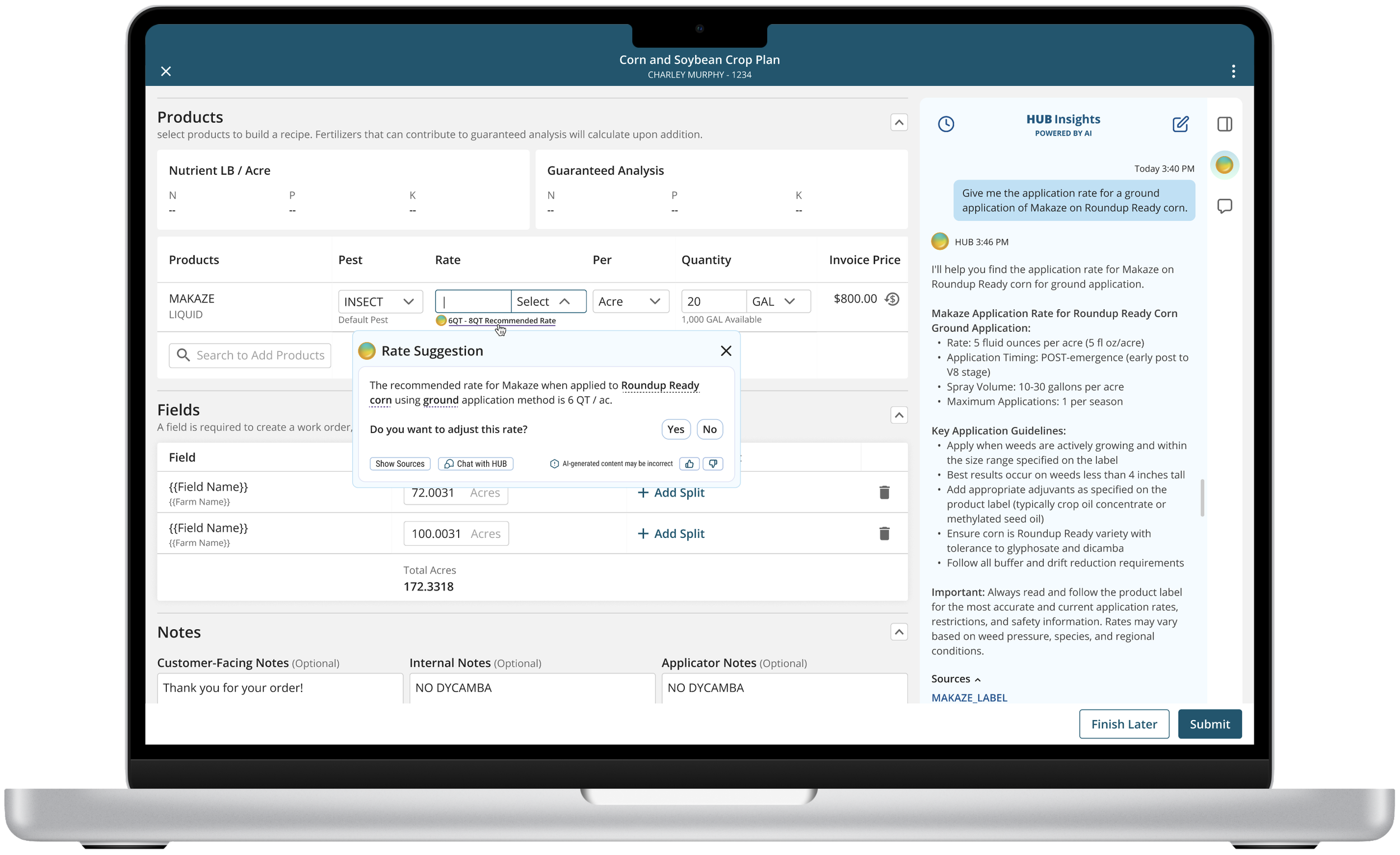
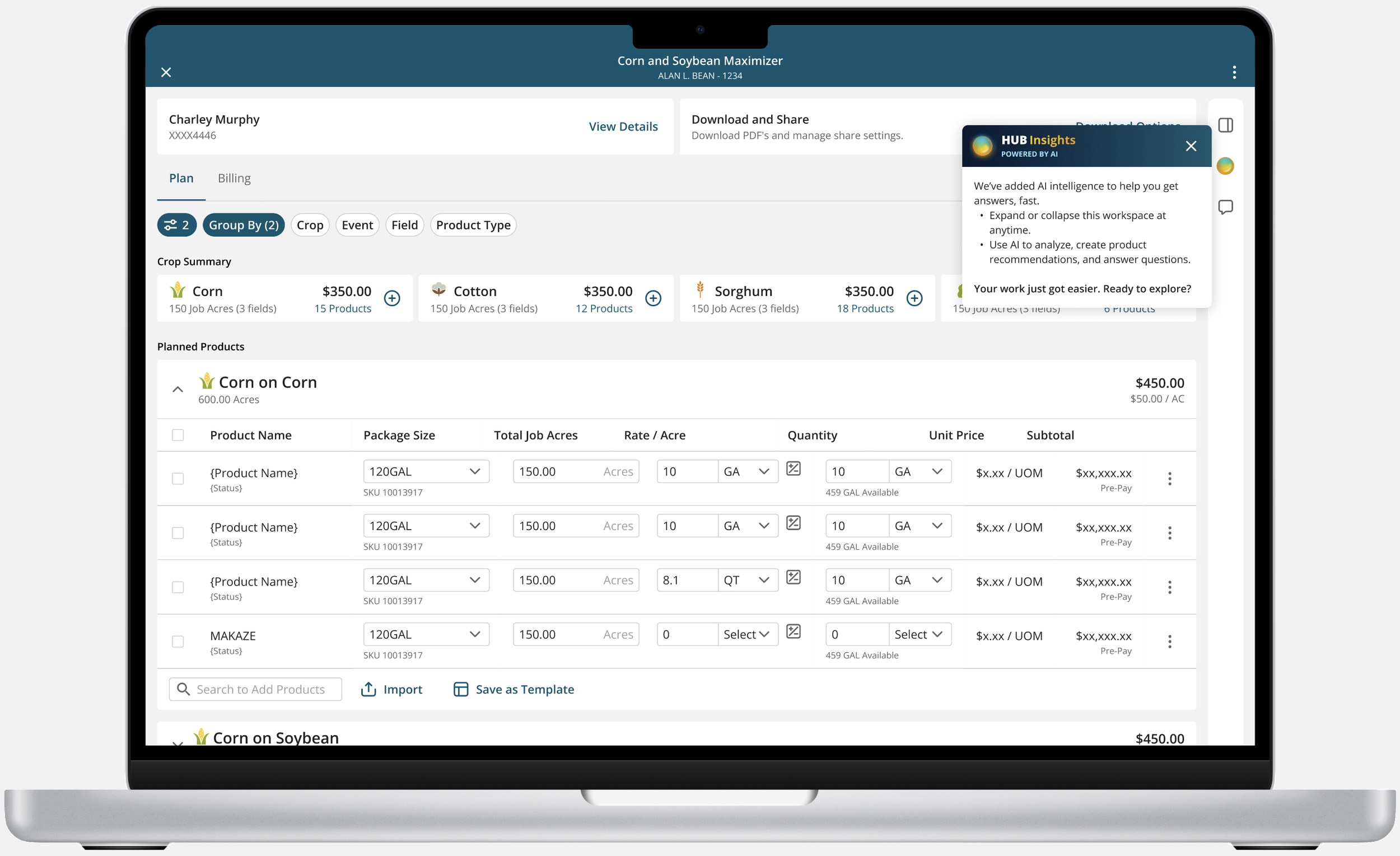
An AI-powered assistant that provides real-time, personalized, and compliant guidance on chemical application rates, product information (seed, fertilizer, chemical), and regulatory enforcement before a user commits to an application order.
The Solution
-
Ensure label validation and rate compliance for the user’s given location, application method and crop being treated. If federally restricted, ensure the grower has a valid license on file prior to application submission and dispatch.
-
We want to be seen as trustworthy and accurate to the user, so we are tracking the number of users who accept suggestions and update post compliance warning.
-
Time to action and time to order trending down. Validation and prompts support user’s needs when researching product usage.
-
Screen accessibility while out in the field in bright daylight as well as accessibility for voice-to-text and hands-free interactions while driving agricultural machinery were a key consideration in the design and functionality of the AI-Assistant.
Project Goals
The Design Process
-
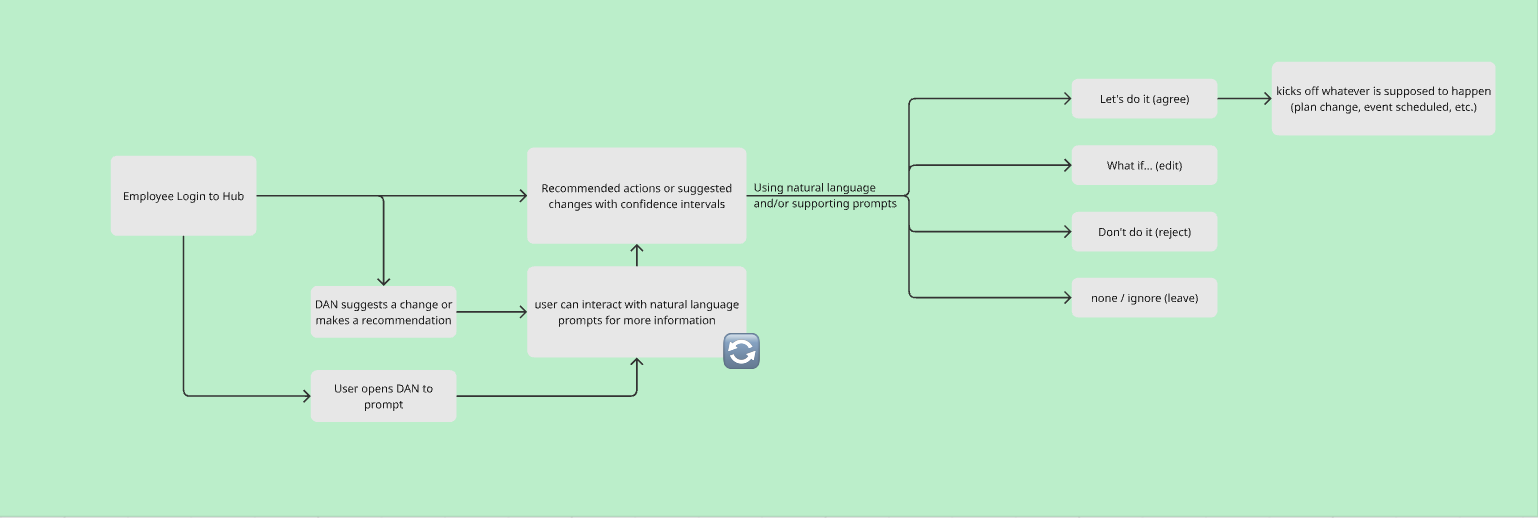
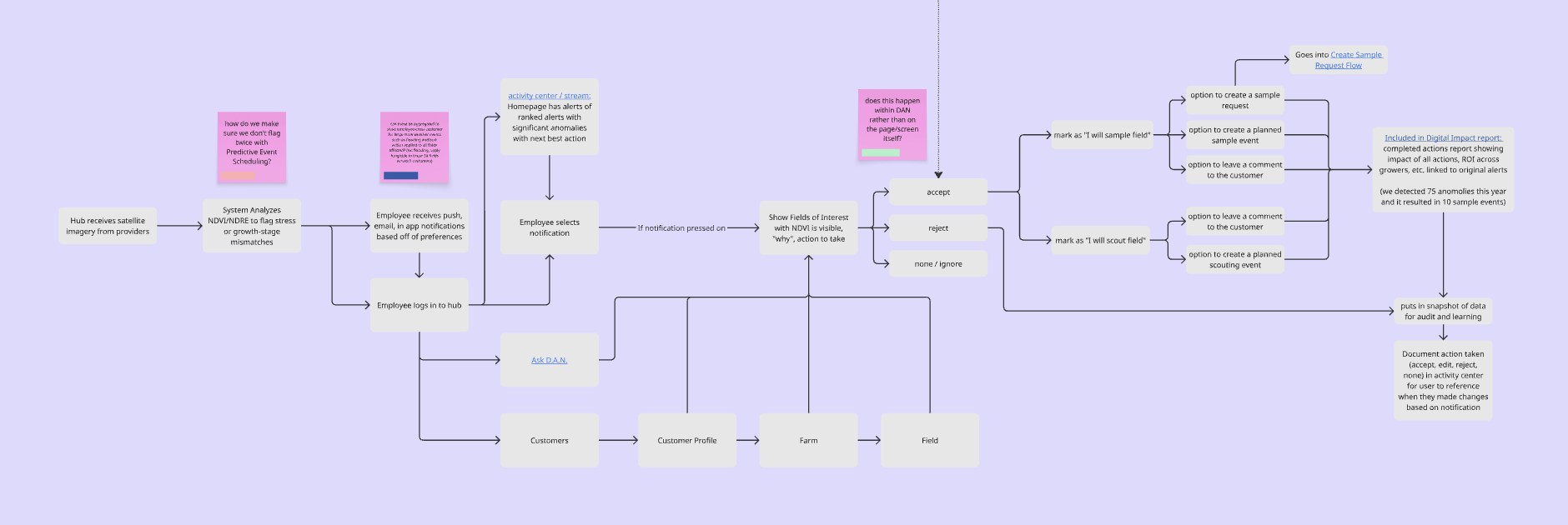
In collaboration with product, data teams and our agronomists, we created and validated initial user flows through user interviews to map out the critical interactions where compliance is enforced.
-
Product, Engineering and UX (that’s me!) outlined the scope of work for the project, steps to achieve the defined scope of work for the first phase and future roadmap, created initial wireframes with phase one requirements requirements to test.
-
Label compliance was one of several features being developed in our AI-Agricultural assistant, so all designs were created, iterated and validated among three designers.
In less than two months, we created the brand identity, pattern, guidelines and documentation in addition to high fidelity designs of the AI-Assistant.
We each ran a usability study to validate our workflows, and took the findings and applied it to our global pattern.
-
Design actively participated in engineering ceremonies and completed design reviews to ensure high quality style development, and an intuitive, cohesive and consistent user experience throughout the order workflows.
-
After our pilot launch, we are continuing to collect user feedback and make incremental improvements to the experience. Additional roadmap items also vetted this process and continue to be delivered today.
Successes & Outcomes
Successes
Successful pilot designed, developed and launched within 3 months.
Creation of a global, scalable pattern, branding, and documentation guidelines for the Agronomic AI Assistant for any additional features introduced.
Successful reduction in manual processes and consolidation of sources users have to access to validate product rates and usage. Sources reduces to 1 digital assistant instead of hundreds of product labels, tech sheets and product PDF’s.
Outcomes and Next Steps
Expand the AI Assistant to other precision agriculture and sales tasks such as generating prescription maps with product rate recommendations for fertilizer products.
Enhance preferences and source interactions to fine tune responses informed by specific user preferences like university equations for product calculation and the include / exclude of sources for product recommendations.
Additional inline and real-time interactions to further educate, inform and ensure product compliance.
Roles Involved
Nutrien Stakeholders from Agronomy & Sales | 2 Project Managers | 3 Principal UX Designers (That's me!) | 6 Tech Leads with 6 Engineering Teams (3 front end teams, 3 back end teams comprising of 5-7 engineers and 2 QE's each) | 1 UX Researcher | Digital Adoption (Field IT) | Crop Consultants (Users)